Newsletter
July 2024 Newsletter
Our first cohort of certified TGBS assessors on completion of the TGBS assessor exam. Photo credit: Amarizni Mosyaftiani July 2024 Newsletter Welcome from The Global Biodiversity

Our first cohort of certified TGBS assessors on completion of the TGBS assessor exam. Photo credit: Amarizni Mosyaftiani July 2024 Newsletter Welcome from The Global Biodiversity
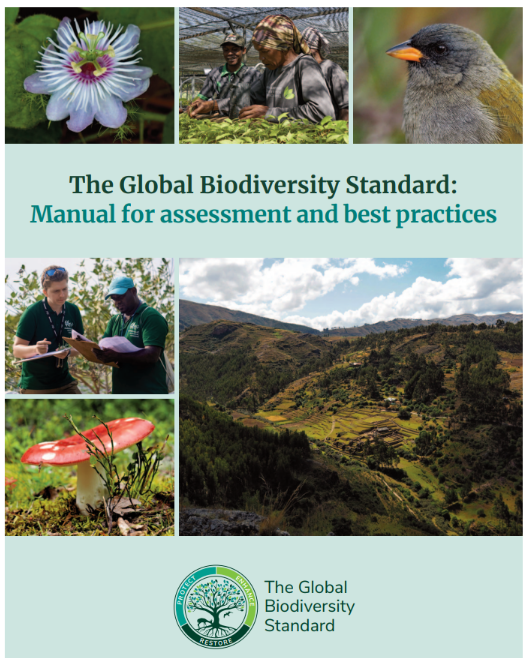
TGBS Special Announcement: The Global Biodiversity Standard Manual Now Available! We are thrilled to announce the publication of The Global Biodiversity Standard (TGBS): Manual for assessment

An update on the Global Biodiversity Standard for March 2024 – exciting progress happening around the world. An update from The Global Biodiversity Standard (TGBS)
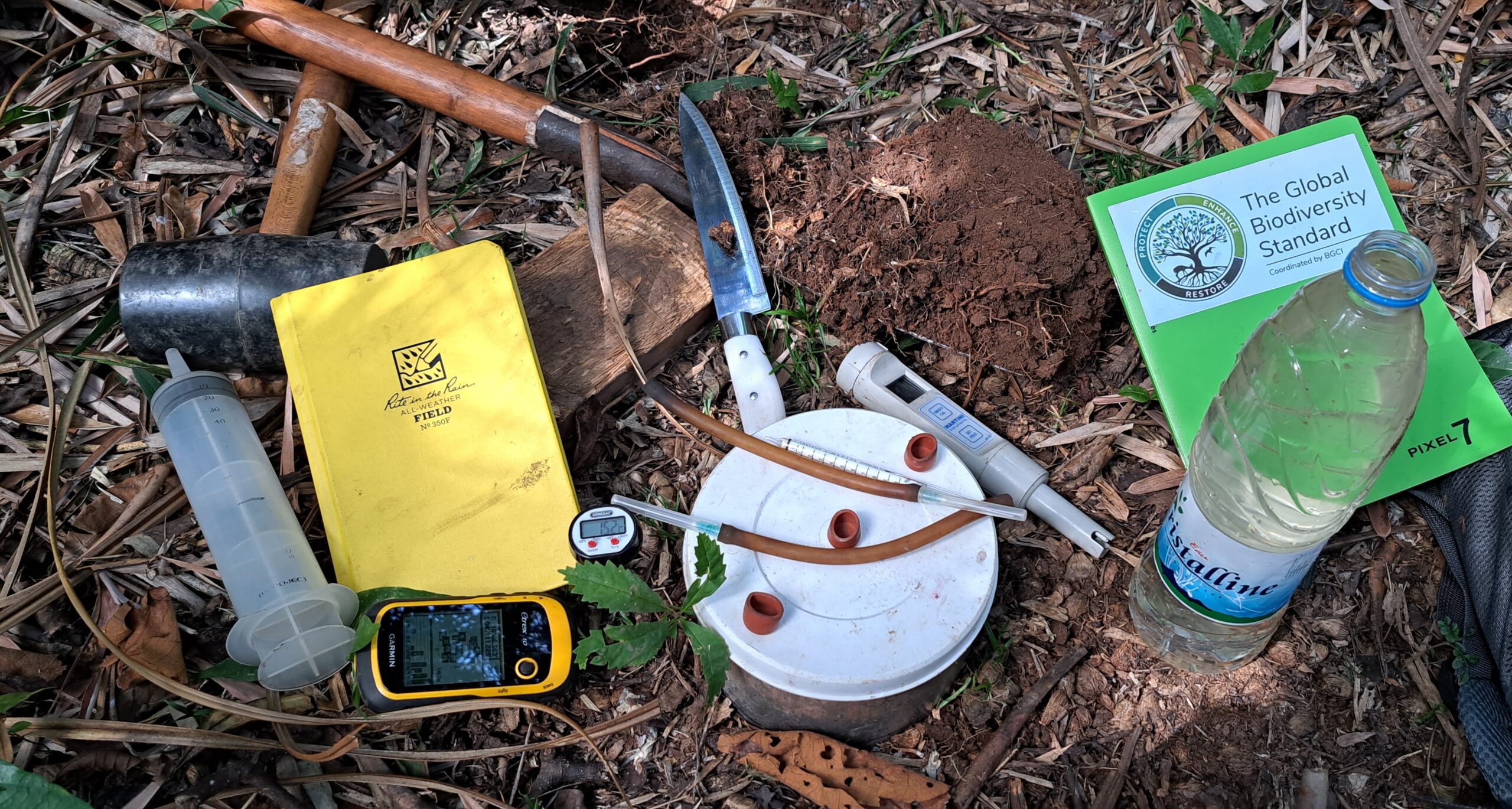
An update on the Global Biodiversity Standard for November 2023 – exciting progress happening around the world.
In August 2023, BGCI and SER hosted the latest in the BGCI Webinar series: The Global Biodiversity Standard. In this BGCI and SER webinar (hosted

An update on the Global Biodiversity Standard for May 2023 – the next step for The Global Biodiversity Standard.

An update on the Global Biodiversity Standard for July 2022 – an introduction to our GBS hubs!
An update on the Global Biodiversity Standard for March – April 2022.

Some major milestones have been achieved in the development of the Global Biodiversity Standard (GBS) since September.

The world’s first and only standard to specifically recognise and promote the protection, restoration, and enhancement of biodiversity.